Source Halal Dehydrated Chili Rings for Cooking, Snacks, and Seasoning
Find and compare 30 listings for halal dehydrated chili rings sourced from Hebei, China. Evaluate options based on SHU heat levels, packaging sizes, and certifications like HACCP and Halal to select the right product for culinary applications.
Key considerations
Products List
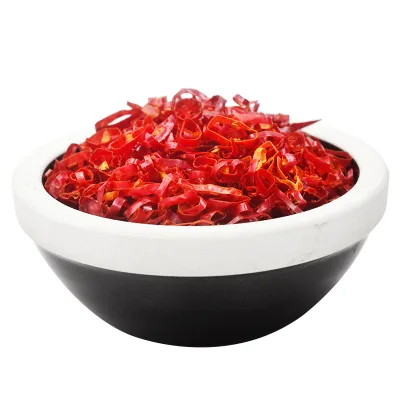
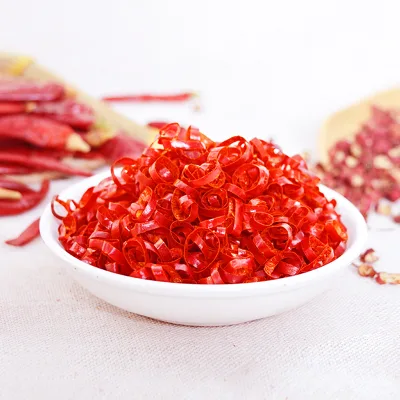
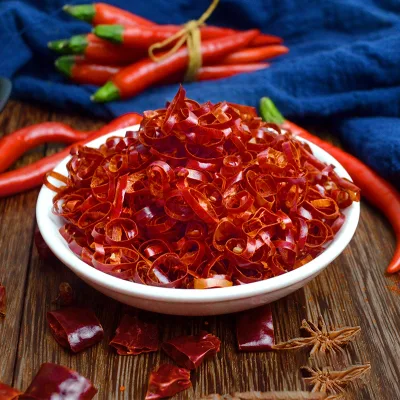


Comprehensive Sourcing Guide
Halal Dehydrated Chili Rings Sourcing Guide
Sourcing high-quality halal-certified dehydrated chili rings requires a disciplined approach to verifying both the religious compliance of the supply chain and the physical integrity of the product. Buyers must navigate a market where visual appeal, such as vibrant red color and uniform ring shape, must be balanced against strict hygiene standards and consistent heat levels. This guide provides a structured framework for evaluating suppliers, ensuring that the final product meets both culinary requirements and regulatory obligations for international trade.
The procurement process begins with a clear definition of specifications, including the desired Scoville Heat Units (SHU), particle size, and packaging formats. Because chili products are highly sensitive to storage conditions and processing methods, buyers need to establish rigorous quality control checkpoints before placing orders. This involves understanding the difference between raw and processed variants, verifying sterilization methods, and ensuring that the supplier can provide the necessary documentation to prove halal status and food safety compliance.
Product Scope and Observed Listing Signals
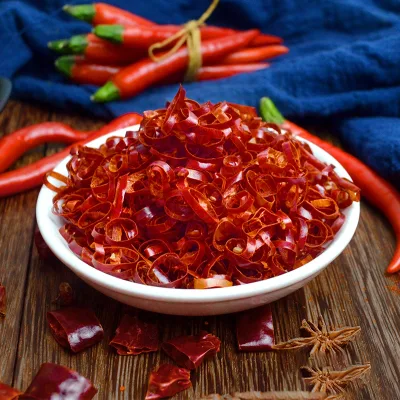
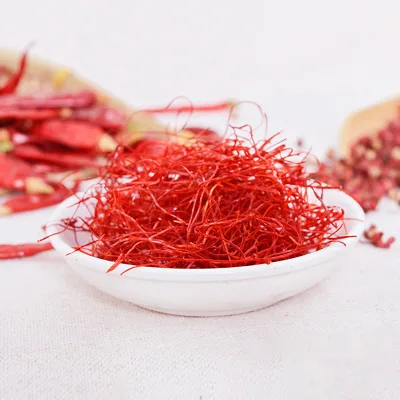
The market for dehydrated chili rings includes a variety of forms, ranging from simple sliced rings to more complex shredded threads, each serving different culinary functions. Observed listings indicate a significant presence of products labeled as "chilli rings" and "chilli thread," with specific model numbers such as R5001 and T3001 distinguishing between different cuts and processing styles. Buyers should note that while some products are described as "without seeds," others may contain seed fragments, which can significantly impact the heat profile and texture of the final dish.
Visual and physical attributes are critical indicators of quality, with red coloration and round or sliced shapes being standard expectations for ring-style products. The observed graininess ranges from 0.5mm to 1mm, suggesting that buyers must specify their preferred particle size to avoid inconsistencies in their recipes. Additionally, the distinction between "raw" processing and other methods is important, as it affects the flavor profile and shelf stability of the chili rings, with some products offering smoked or natural variations that require different handling during storage.
Technical Specifications to Verify
Verifying the physical specifications of chili rings is essential to ensure they meet the technical requirements of your production line or retail packaging. Key attributes to confirm include the single package size, which can vary significantly from 44x34x31 cm to 54x41x35 cm, impacting logistics and storage efficiency. Buyers should also verify the gross weight per unit, as discrepancies between net and gross weight can affect shipping costs and inventory management, with observed weights ranging from 1kg to 21kg depending on the packaging configuration.
The heat level, measured in Scoville Heat Units (SHU), is a critical technical parameter that must be clearly defined in the purchase order. Observed data suggests a wide range, from 3,000-5,000 SHU for milder threads to 15,000-20,000 SHU for hotter rings, meaning that buyers must request specific batch testing results to ensure consistency. Furthermore, the drying method and storage type, such as cool and dry places, must be aligned with your supply chain capabilities to prevent moisture absorption and maintain the desired crispness and color of the dehydrated product.
Compliance and Safety Documentation
Halal certification is a non-negotiable requirement for sourcing halal dehydrated chili rings, and buyers must verify the authenticity and scope of the certification provided by the supplier. The presence of certifications such as HACCP, Halal, FDA, ISO, and BRC indicates a commitment to food safety and quality management systems, but buyers should confirm that the halal certificate covers the entire supply chain, including the source of the chili peppers and the processing facility. This verification process helps mitigate the risk of cross-contamination with non-halal substances during handling and packaging.
In addition to religious compliance, food safety certifications are crucial for ensuring that the product meets international regulatory standards. Buyers should request evidence of sterilization methods, such as steam sterilization, which can help reduce microbial load without compromising the product's quality. It is also important to verify that the supplier adheres to good manufacturing practices (GMP) and has a robust traceability system in place, allowing for quick identification and recall of any problematic batches if issues arise during distribution.
Cost Drivers and Commercial Terms
The cost of dehydrated chili rings is influenced by several factors, including the quality of the raw material, the complexity of the processing, and the volume of the order. Observed price ranges vary widely, from $1.5 to $7,000, reflecting differences in product grade, packaging, and supplier location. Buyers should be aware that higher-quality products with specific certifications and consistent heat levels may command a premium price, while bulk orders with standardized specifications can offer cost savings through economies of scale.
Minimum Order Quantities (MOQ) and payment terms are key commercial considerations that can impact cash flow and inventory management. Observed MOQs range from 1 to 5,000 units, providing flexibility for both small-scale buyers and large distributors. Buyers should negotiate favorable terms, such as flexible payment schedules or volume discounts, to optimize their procurement costs. Additionally, shipping methods, whether by air or sea, will affect the total landed cost, with air freight offering faster delivery but higher expenses, and sea freight providing a more cost-effective solution for larger volumes.
Supplier Qualification and Quality Control
Qualifying suppliers for halal dehydrated chili rings requires a thorough assessment of their manufacturing capabilities, quality control processes, and track record. Buyers should conduct on-site audits or request detailed reports on the supplier's production facilities, including their sterilization equipment, packaging lines, and storage conditions. This due diligence helps ensure that the supplier can consistently produce high-quality products that meet the specified standards and certifications.
Quality control measures should be implemented at every stage of the production process, from raw material inspection to final packaging. Buyers should establish clear acceptance criteria for attributes such as color, shape, graininess, and SHU levels, and request pre-shipment samples for verification. Implementing a robust quality assurance program, including regular testing and third-party inspections, can help identify and address potential issues before they impact the final product, ensuring customer satisfaction and brand reputation.
Long-Term Procurement Checks
Establishing long-term relationships with reliable suppliers is essential for maintaining a stable supply of halal dehydrated chili rings. Buyers should focus on building partnerships based on mutual trust, transparency, and continuous improvement, rather than solely on price. Regular communication and feedback loops can help identify areas for improvement and foster innovation in product development, ensuring that the supplier remains aligned with your evolving business needs.
Continuous monitoring of supplier performance is crucial for mitigating risks and ensuring consistent quality. Buyers should track key performance indicators (KPIs) such as on-time delivery, product quality, and responsiveness to issues, and use this data to inform future procurement decisions. Additionally, staying informed about market trends, regulatory changes, and emerging technologies can help buyers proactively adapt their sourcing strategies and maintain a competitive edge in the marketplace.
FAQs
What certifications do the chili rings have?
The chili rings hold HACCP and Halal certifications to ensure safety and compliance. Some listings also include FDA, ISO, and BRC certifications for broader market access. These standards verify the product meets international quality and hygiene requirements for food processing.
How is the heat level measured for these rings?
The heat level is measured using Scoville Heat Units, ranging from 15,000 to 20,000 SHU for the standard rings. Another variant offers a milder profile between 3,000 and 5,000 SHU. This allows buyers to select the appropriate spiciness for their specific culinary applications.
Can I customize the packaging for this product?
Yes, customization is available for packaging requirements. The standard options include 1kg, 5kg, 20kg, and 25kg bags, or OEM solutions. Buyers can request specific packaging materials or sizes to match their distribution needs while maintaining product freshness.
What is the shelf life of the dried chili rings?
The shelf life is 12 months or one year when stored correctly. Products must be kept in a cool and dry place to maintain quality and prevent moisture absorption. Proper storage ensures the rings retain their color, flavor, and texture throughout the storage period.
Which specifications are available for the chili rings?
Specifications include graininess ranging from 0.5mm to 2mm and shapes like round or sliced. The product is available in dried form with a red color. Buyers can choose between different cut sizes to suit various food processing requirements and end-user preferences.
How are the products shipped to international buyers?
Products are shipped via air or sea freight depending on urgency and volume. The single package size varies based on the order quantity and packaging type selected. This flexibility allows buyers to optimize logistics costs while ensuring timely delivery of their orders.